Two Elections. One Energy Crisis. And a Dangerous Bet That Iran Will Break.
By Nick Guarino | OPINION | October 8, 2026
Two elections, two governments, and one increasingly dangerous wager on the price of energy. In Washington and Jerusalem, political leaders face the consequences of a war that has already transformed the oil market. In Tehran, decision-makers believe that keeping pressure on shipping can change the negotiating environment after voters have spoken.
Everybody may think time is on their side. My fear is that time is running out for the people who buy gasoline, diesel, heat their homes, and pay to move food and freight.
1.Two Elections, Opposite Bets
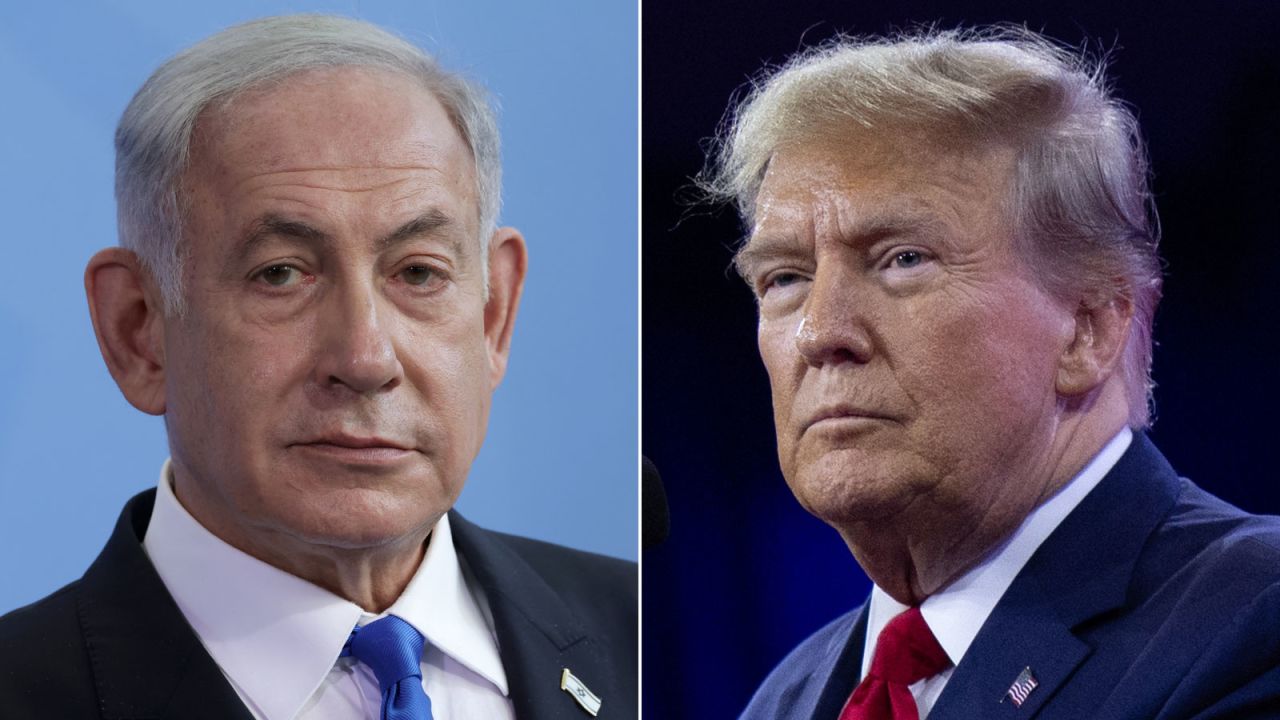
The United States faces its November midterm elections, with control of Congress and now even the House at stake. Israel faces its own electoral politics. Between the liberals and conservatives. The Israeli elections are coning right before the US elections.
October 27th is the Israeli election. U.S. midterms are Tuesday, November 3rd, so exactly one week apart.
Tehran may has calculated that an oil shock will erode support for hard-line policies in both countries and improve its bargaining position. Conversely, Both Israeli opponents and US liberal Democrats favor a immediate cease fire and give Iran whatever it want to start oil flows again.
Iran and Israel and the U.S.A are all placing big bets on the outcome both of the war and the elections. Either way it goes it is our firm belief that oil will soar in pric.
Leaders in power in Washington and Jerusalem are hoping for a rally-around-the-flag response to a expanded military confrontation occurring right before the elections.
The next 3 weeks are critical.
. Those are competing hypotheses about political incentives and outcomes.
And both calculations could be wrong. An electorate can rally to its leaders in the first days of a crisis and punish them later for the bill. One thing all the politicians understand. The voting public has a short memory and always vote their vesteed interests.
2.The Strait Is The Most Contested Waterway in the World
Recent reporting supplied for this article describes renewed attacks on commercial tankers around the Strait of Hormuz, including an incident north of Qatar, and heightened maritime-security warnings. And increased US and Israel preparations for war. These reports need final incident-level verification before publication, but the strategic problem is clear: a tanker route is not safe merely because some ships get through.
Insurers, shipowners, captains, and cargo buyers are up at night sweating the risks and loses they may incur. Even intermittent strikes can raise freight costs, reduce traffic, and disrupt delivery schedules. A reopening announcement cannot compel commercial ships to sail. As you are seeing oil prices are responing Crude has soared from $77 a barrel in Augt to $103 today.
3.The Great Miscalculation: What If Iran Does Not Collapse?
What if the assumption behind the military campaign is that Iran is one more round of strikes away from political collapse and military collasp? What if that assumption is mistaken?
Military degradation and regime collapse are not the same thing. Neither is the destruction of major bases equivalent to the elimination of mobile missiles, drones, mines, and other means of harassing shipping. Iran need not defeat an opposing military outright to impose heavy costs on international commerce.
Chinese and Russian relationships may affect Iran’s endurance, but the scope of any present material support has been well documented. Claims of destroyed American bases have slowly been proven correct. And claims of an Iranian collapse has still not occoureed. As witnessed by the continuing attacks on US military assets in the gulf, Constant attacks on s. cargo ship Amd Gluf oil states asstes like refineries and pipeline going up in smoke.
My wager is that Iran could survive substantial additional pressure while retaining the ability to menace the strait. That would make the hoped-for quick restoration of normal energy flows a dangerous planning assumption. And one we are not buying into.
4.The Emergency Barrel Is Not a New Barrel
The International Energy Agency statement supplied for this story says approximately 325 million barrels of oil had been released under the March 2026 collective action and that completing previously pledged releases would bring roughly another 100 million barrels to market. It also says members prioritized diesel stocks. 400 million of barrels of oil suppiled to the markek. Net result = Oil and diesel prices more than doubled.
That is an enormous intervention, not a “minuscule” one. But unfortunately government have shot their wad. it is a temporary fix. Emergency oil inventories releases are finite. As you are seeing they run out. Its not a permanent increase in production or refinery capacity. The figures show that strategic reserves are nearly exhausted; total remaining stocks and release constraints clearly show Emergence oil reserves are just about gone. And Iran damn near knows this. It heightens their will to continue to hang on just a little longe
5.The Other Front: Russian Refiners and Global Gas
Verified continued Ukrainian attacks on Russian refining infrastructure add another pressure point. Damage, repair timelines, export restrictions, and the actual loss of saleable refined products—not simply the number of reported strikes—determine the market impact.
Liquefied natural gas adds a separate vulnerability. The source material supplied LNG departures through Hormuz still more than 75 percent below prewar levels despite some rebound. And before the Ukraine Russian invasion Russia suppled over 70% of European natural gas. LNG is not interchangeable with diesel, but competition for scarce energy can transmit price shocks across electricity, heating, manufacturing, and transport.
6.My $150 Oil Forecast
Brent oil quoted at over $103.00 per barrel and WTI at $91.00 early Thursday.
I believe $150 Brent is a plausible severe-disruption scenario if attacks persist, commercial transit remains impaired, refineries stay constrained, and dwindling emergency releases fail to bridge the gap. A ceasefire, safer transit, weaker demand, or restored supply could move prices in the other direction.
Rationing of diesel, gasoline, or heating oil is likewise a risk scenario. Governments have options before formal rationing, including targeted releases, demand-management appeals, and prioritizing essential services. But as the disruptions continue Governments could be forced to make decisions that would have seemed unthinkable only months ago.
7.Twice as Nice—Until the Bill Arrives
Iran may be betting on political fatigue. Its adversaries may be betting on political unity. The voters may be thinking about neither strategy when they pay their energy and heating bills.
Two elections may decide who holds power. They will not, by themselves, restore a refinery, replenish a strategic stockpile, or make a hazardous sea lane safe. And certanielly supply more badly needed oil.
That is the danger in treating an energy war as an election-season contest: whoever wins the political wager people still inherit the economic loss.
Their is money in those oil barrels
8.Source Notes and Publication Checks
• IEA statement supplied by author, October 2026: approximately 325 million barrels released; approximately 100 million pledged and unreleased; diesel prioritized. Confirm against the original IEA release.
• Breaking the News market report supplied by author, October 8, 2026: Brent $103.98; WTI $91.39; reported military and weather developments. Verify timestamps and hurricane claims independently.
• UK Maritime Trade Operations recent incidents: https://www.ukmto.org/recent-incidents
• Reuters tanker attack report, October 7, 2026: https://www.reuters.com/world/middle-east/attacks-tankers-hormuz-hit-highest-any-week-since-start-iran-war-sources-say-2026-10-07/
• Bloomberg LNG reporting: https://www.bloomberg.com/news/articles/2026-10-05/lng-trade-through-hormuz-extends-rebound-despite-shipping-risks