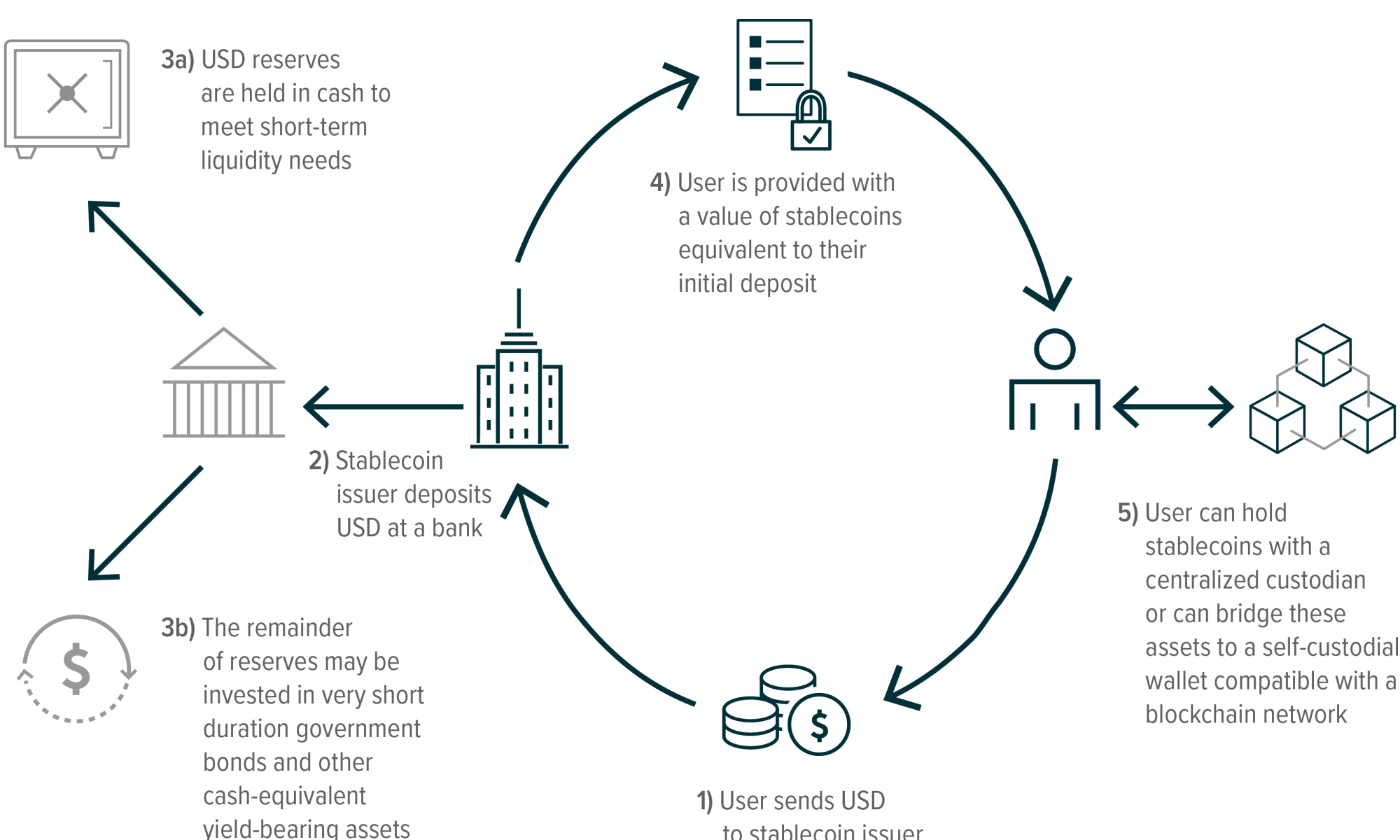
Several major United States banks are discussing the launch of a joint stablecoin, a type of digital currency meant to maintain a fixed value, The Wall Street Journal reported, citing people familiar with the matter.
The talks involve JPMorgan Chase & Co., Bank of America Corp., Citigroup Inc. and Wells Fargo & Co. along with companies they co-own such as Early Warning Services LLC, which operates Zelle, and The Clearing House Payments Co. LLC, which runs a real-time payments network. The proposed stablecoin aims to speed up payments, especially for cross-border transactions and help banks “compete with the crypto industry.” The effort reportedly remains in early stages and may shift depending on demand and regulation.
Coinbase Global said it’s working with law enforcement to track down an unknown “threat actor” that paid its contractors working in support roles for the company outside the U.S. to obtain personal information of its customer base. Coinbase did not say how many of its clients were affected, but it had already informed them about the breach after it detected it months ago and fired the contractors involved. Coinbase said customer passwords and private keys were protected by its systems, and “at no time were any of the targeted contractors or employees able to access customer funds.” However, the affected data included names, home and email addresses, phone numbers, the last four digits of Social Security numbers, masked bank-account numbers and some bank-account identifiers. The breach also included government-ID images such as passports and driver’s licenses, account data such as balance snapshots and transaction history and limited Coinbase corporate data such as documents, training materials and communications to support agents. Coinbase said it plans to open a new support hub in the U.S. as well as take other prevention measures. It estimated expenses of $180 million to $400 million for remediation costs and voluntary customer reimbursements related to the problem, and said the dollar figure could change as it assesses the impact. It did not say if the cost estimates include the price of launching a U.S. service center. “The threat actor appears to have obtained this information by paying multiple contractors or employees working in support roles outside the United States to collect information from internal Coinbase systems to which they had access in order to perform their job responsibilities,” the company said. Coinbase said it has already terminated the personnel involved and “implemented heightened fraud-monitoring protections” in previous months after its security monitoring detected the trouble.
China said it would “fight to the end” and take countermeasures to “safeguard its own rights and interests” after United States President Donald Trump escalated his tariff threats against the Asian nation.
The statement came after Trump said on Monday that he would impose an additional 50% tariff on China, effective Wednesday, if Beijing doesn’t withdraw its 34% retaliatory tariff on US goods. “The US’ threat to escalate tariffs on China is a mistake on top of a mistake, which once again exposes the US’ blackmail nature,” China’s Commerce Ministry said.
“China will never accept this. If the US insists on its own way, China will fight to the end,” the ministry stressed.
As you know we have been Shorting the shit out of this latest mania
Major cryptocurrencies experienced declines on Friday, with Bitcoin sliding under $84,000, as market participants reacted to an unexpectedly strong inflation gauge reading alongside concerns over the recent trade measures announced by US President Donald Trump. The core Personal Consumption Expenditures Price Index (PCE) increased by 0.4% during February, recording its biggest monthly gain in more than a year, according to U.S. Commerce Department data released Friday. Analysts had projected a 0.3% rise. Bitcoin slumped 3.73%, selling for $83,977 at 11:10 am ET. Ethereum plummeted 5.90%, selling for $1,884 a minute later.
The price of Bitcoin fell 3.5% on Thursday and continued its downward trajectory from earlier this week despite United States President Donald Trump’s call for the US to become the “undisputed Bitcoin superpower.”
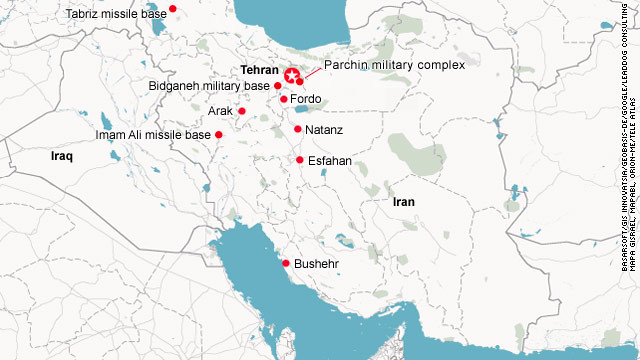
Investors remained focused on the impact of Trump’s tariffs on the economy and the renewed tensions in the Middle East.
Bitcoin slumped 3.55% at 12:47 pm ET and sold for $83,811.210, while Ethereum sank 5.01% at the same minute to sell for $1,954.4662.
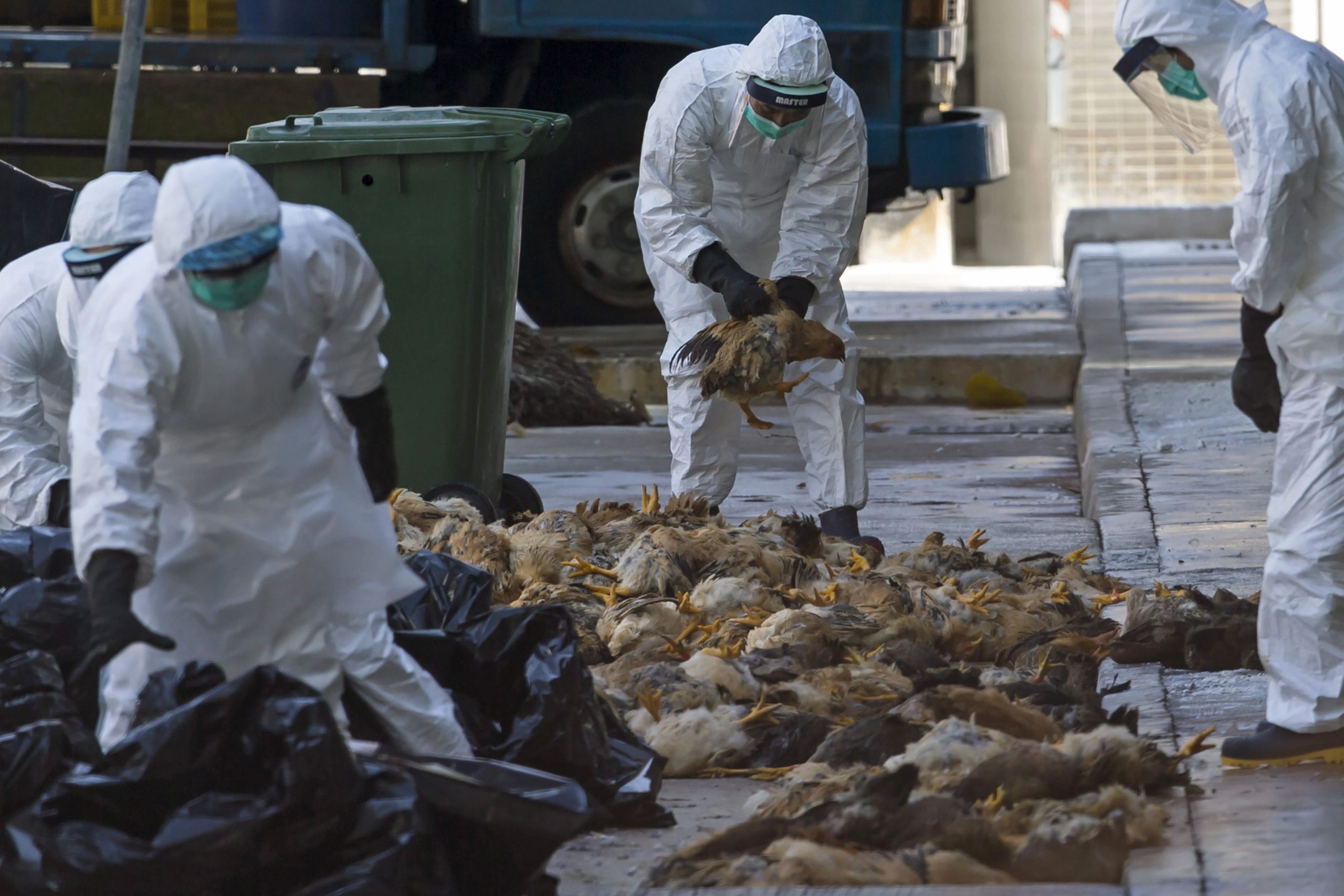
WASHINGTON (AP) — Bird flu has devastated poultry and dairy farms, and sent the price of eggs soaring in the United States since it was first detected in North America in late 2021. But what has been the toll on wild birds? More than 170 species of North American wild birds – including ducks, geese, gulls, owls, eagles and others – have been infected with bird flu.
Take precautions around sick or dead wild birds, experts recommend. But you can keep your bird feeder up. Despite the spread in birds and other wild animals, scientists say the threat to the general population is currently low.
Which wild birds can get bird flu?
More than 12,000 individual birds have tested positive since the virus began spreading, according to the U.S. Agriculture Department. The count is a “gross underestimate” because most dead birds are never taken to a lab for testing, said Bryan Richards at the U.S. Geological Survey’s National Wildlife Health Center in in Madison, Wisconsin.What does the bird flu outbreak mean for backyard bird feeders? AP correspondent Jennifer King reports. Dabbling ducks, such as mallards and blue-winged teal, can carry the virus with few symptoms because “these viruses co-evolved in waterfowl,” said Richards. But ducks can also shed the virus in their feces or saliva, sometimes infecting other birds or mammals like foxes.
Birds without natural immunity that migrate or roost together in large flocks, such as geese, are most likely to die in large numbers. A recent bird flu outbreak among migratory eared grebes in Utah killed between 15,000 and 25,000 birds near Great Salt Lake, state wildlife officials said in early February.Seabirds, which tend to roost in large numbers, are also highly impacted. Songbirds such as Northern cardinals, blue jays or chickadees — the kind of birds that might visit bird feeders — can also become infected and die, but their populations appear to fare better since they don’t gather closely in large groups where the virus could spread, said Michael J. Parr, president of the American Bird Conservancy.
Symptoms vary, but may include lack of coordination, inability to fly and respiratory distress. “If people see a wild bird acting weird, the best thing they can do is call their local wildlife rehabilitator” and avoid handling it directly, said Dr. Dana Franzen-Klein, a veterinarian and medical director at the University of Minnesota’s Raptor Center.If you must handle an infected bird, it’s best to wear gloves and a mask as a precaution. Experts say bird feeders are generally safe and aren’t a notable source of spreading bird flu. But if you also keep backyard chickens, Parr of the American Bird Conservancy recommends taking the bird feeder down to prevent possible transmission to poultry. Birdfeeders and nesting boxes should also be cleaned regularly.The risk of spread to people from bird feeders “is very, very low,” he said. In the case of critically endangered California condors, scientists organized a vaccination program after some birds became infected. But that’s not a realistic option for most wild bird species. Instead, experts recommend giving wild birds the best chance by taking other steps to protect habitats and reduce various risks that species face, such as exposure to pesticides or lead ammo. Bald eagles, which are federally protected but no longer endangered, are scavengers that will eat dead animals. “That first year, we lost a lot of eagles” likely from bald eagles eating infected ducks or bringing them to their nests, said Richards. Scientists also documented an unusually high number of eagle chicks that didn’t survive into adulthood during the first breeding season after the virus appeared in North America, likely because the chicks got the virus or sick parents weren’t able to adequately feed and care for them. But over time, the number of confirmed infections in eagles nationwide has declined from 427 in 2022 to 48 last year. That may mean that eagles that survived the first year now have some acquired immunity, said Franzen-Klein. This past migration season, researchers counted a record number of bald eagles migrating through northern Minnesota.
NN: Its time to follow Bird Flue another China genetically engineered virs
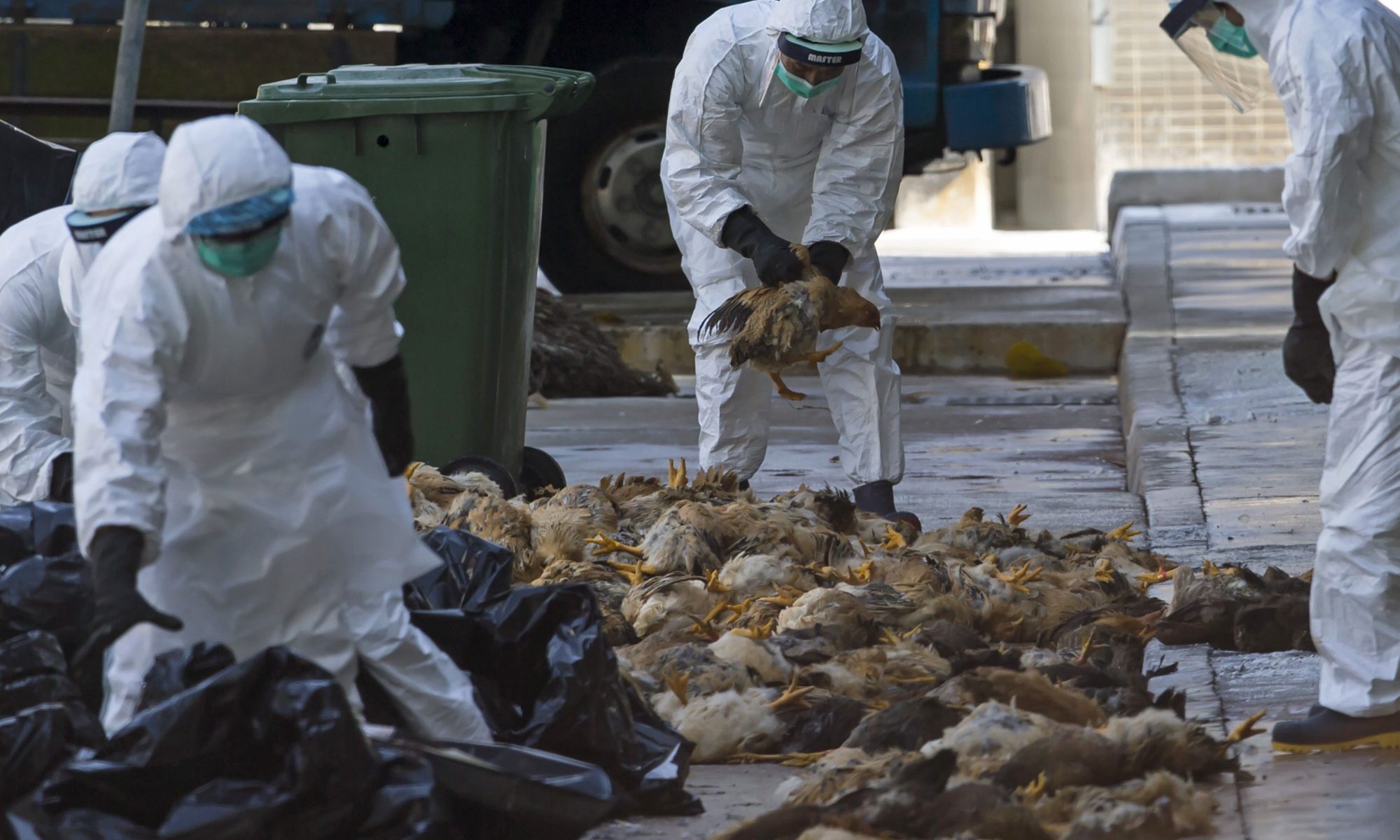
A United Nations health agency has called the spread of H5N1 bird flu “unprecedented” and called on world leaders to coordinate a global response. On Monday, the U.N.’s Food and Agriculture Organization cited hundreds of millions of poultry lost around the world as concern rises among health experts over the spread of the H5N1 bird flu and its spillover into other mammals, including cows. Godfrey Magwenzi, deputy director-general of FAO, said that the growing health crisis has a “serious impact on food security and food supply in countries, including loss of valuable nutrition, rural jobs and income, shocks to local economies, and, of course, increasing costs to consumers.” He noted a major shift in the last four years in its geographic spread, with at least 300 new wild bird species since 2021 afflicted with bird flu, which pose “a serious threat to biodiversity.”
Expert oncerned U.S. not prepared for bird flu spread in humans
USDA trying to rehire employees working on bird flu
USDA to invest $1B in 5-point strategy to combat bird flu, lower egg prices
The United States has recorded about 70 bird flu cases of bird flu in poultry and cattle, according to the U.S. Centers for Disease Control and Prevention. In addition, health officials have called for urgent action to strengthen biosecurity, surveillance and “rapid-response mechanisms” to curb the outbreak. Meanwhile, the Trump administration has scrambled to rehire federal employees working on the U.S. government’s bird flu response after they fell victim to mass firings by the administration and billionaire Elon Musk’s Department of Government Efficiency. “A chain is only as strong as its weakest link,” said FAO Deputy Director-General Beth Bechdol, as she called for a coordinated global response. “By working together, we can reduce the impact of avian influenza and protect both animal and human health — locally and globally.” Last month, the U.S. Department of Agriculture released its plan to invest $1 billion to stop the spread and hopefully reduce the rising price of eggs. Some restaurants have begun to charge a surcharge on egg dishes to cover the added cost.
Israel has carried out “extensive strikes” on Gaza, killing at least 220, according to sources from both Israel and Gaza cited by the BBC. The strikes came as a ceasefire that began in mid-January failed with the warring parties unable to agree on the terms to extend it. The reignition of the war between Israel and the Palestinian state affects oil prices as there is always a risk of regional escalation in the conflict, notably featuring Iran. This was the case today as well, with Brent crude inching up to $71.29 per barrel and West Texas Intermediate rising to $67.78 per barrel at the time of writing. “Israel will, from now on, act against Hamas with increasing military strength,” a statement by Benjamin Netanyahu’s office said. “This follows Hamas’s repeated refusal to release our hostages, as well as its rejection of all of the proposals it has received from US Presidential Envoy Steve Witkoff and from the mediators,” the statement also said. Hamas, for its part, has called on mediators to intervene and salvage the ceasefire, although it responded to Israel’s strike with accusations of treachery and overturning the ceasefire, the BBC also reported. The Israel-Palestine war was not the geopolitical factor pushing oil prices higher. U.S. strikes on Yemen earlier in the week also acted as a booster for the benchmarks, highlighting the fragile situation in the world’s biggest oil-producing region. In addition to geopolitics, news from China also served to prop up oil prices, as Beijing released its latest round of measures aimed at stimulating consumer demand through higher salaries and childcare subsidies. The news was followed by data showing refining throughput in the country had increased over the first two months of the year, and figures suggesting rebounding consumer spending, which are normally taken as a bullish sign for crude oil demand.