California posted its biggest daily rise of coronavirus deaths on Friday as the number of people who died from the disease over the past 24 hours in the state reached 159. The total number of deaths from COVID-19 in the state now stands above 8,000, the California Public Health Department confirmed. 9,718 new coronavirus patients were registered over the past 24 hours. California is now the worst-hit US state by COVID-19 as the total number of registered cases in the Golden State surpasses total cases recorded in New York. Four counties in Southern California each reported at least 20 deaths, while the entire Bay Area recorded seven. The statewide seven-day average rose over 100 for the second time of the pandemic to 101 deaths per day over the past week, 60% higher than a month ago. The statewide case count grew by 9,725 keeping that seven-day average steady at about 9,660 cases per day. Its seven-day positivity rate has begun to move in the wrong direction after briefly plateauing around 7% — on Thursday it hit 8%, a threshold Gov. Gavin Newsom and state health officials have identified to stay below. The average number of new cases has increased 112% in a month (4,562 per day vs. 9,660), while the number of tests has increased by about 53% (79,880 per day vs. 122,000). In that time, hospitalizations statewide have also more than doubled, to 7,171 as of Tuesday. There was a steep drop off Wednesday to 6,825 hospitalized patients according to the state, but officials attributed that to a change in the reporting system that resulted in historical data from 39 facilities not being included. There hadn’t been a single-day decrease in patients of that magnitude, about 4.8%, up to this point; even the largest single-day increase was about 3%. Meanwhile, intensive care units in 12 counties were reported to be at or near capacity by the state health department on Thursday. Less than 20% of ICU beds were available in the following counties: San Benito (100% full), Kings (93.8%), Fresno (92.9%), Placer (88.2%) San Joaquin (86.4%), Sacramento (86.4%), Madera (84.6%), Merced (83.7%), Stanislaus (84.6%), Tulare (82.5%), Imperial (82.4%) and Butte (81.6%). That data has fluctuated significantly, from eight counties on Monday to four Wednesday, up to 12 in its most recent update. But the majority of those listed have been where cases and hospitalizations have been rising faster than elsewhere in the state. All those listed with the exception of Imperial, Butte and Placer counties border each other in the Sacramento-San Joaquin valleys. The number of patients hospitalized in those nine counties has more than tripled (313%) in the past month to 1,269 as of Tuesday, or about 25.38 per 100,000 residents, almost three times the rate of the Bay Area (9.5 per 100,000) and even more than Los Angeles County (22.1 per 100,000). Once again, Los Angeles accounted for the largest share of the state’s death toll with 49 new fatalities Friday. But it was a slightly smaller percentage of the total deaths because neighboring counties also reporting at least 20 COVID-19 deaths: Orange (22), San Bernardino (21) and Riverside (20). In the Bay Area, San Francisco and Alameda counties each reported two new fatalities, followed by one apiece in Santa Clara, Santa Cruz and Napa counties. The seven-day average of deaths here (8.29 per day) continued to rise higher than it has been since April 26 but remained well below other areas of the state. Los Angeles, with about 10 million residents vs. the Bay’s 8 million, has reported about 40 deaths per day over the past week; it’s been 30 per day in surrounding Southern California counties, population 11.3 million; in a swath of Central California, almost twice as many people are dying each day from the virus, despite a population 2 million smaller than the Bay Area. After its latest morbid record, the state’s death toll stood at 8,178, according to data compiled by this news organization. Of those, 52% have occurred in Los Angeles County, despite it accounting for about a quarter of the state’s population. The Bay Area, which has about 20% of California’s population, accounts for about 9% of its death toll to date. California surpassed New York for the most total cases earlier this week, though it also has about twice the population. Its cumulative case count stood at 431,664 on Thursday, the same day the country went over 4 million total cases. Nick Note: Its killing the cats. Obviously something has gone way way wrong here. In fact the wheels have flown off the cart. I am convinced we are seeing the lack of total isolation of people. And the failure of the N96 kill the cats mask. The problem is I am certain the virus has mutated to a much more infection version and And AND the FACT it is being spread as a deadley highly contageous over long distances aerisole. And the particle size is much smaler then the N95 mask of death or HEPTA filters can screnn out. In other words your life is at risk with every breath you take. Have a nice day Nick
There is no safe way to fly. Dieways! But if you must!
Nick Note: Want proof. To this day if a infectious TB sufferer flies for a fact it is passed around the cabin. HEPTA filers installed on the 50% air recirculation ( what they forget to tell you is they use to NOT recirculate the cabin air. But to save fuel they now circulate half the cabin air. Another deadly mistake) systems on airplanes are not enough to stop the aerosol transmission of the coronavirus. If you go to the full face respirator with the new style P3 A cartage filter with the ULPA filter material you will have the most protection possible from the coronavirus that has now gone airborne as a aerosol that they don’t want to tell you. Tell me something are you as outraged as I am?
You Can Wipe Your ASS with your Paper mask
I need you to get away from paper MASK filters, even HEPA is not enough. I need you to go full face mask and respirators with screw in UPLA filter canisters. As you know we have a clean hands policy. And that means we do not sell or recommend specific vendors. That way there is no chance of a conflict of interest. Conflict of interest is the norm in this day and age especially with popup’s invading your space every time you go to the internet. SO I am going to point you in the right direction and I am sure you will find suppliers.
Paper masks like the N95 filters are just plain not good enough anymore. WE ARE NO LONGER FIGHTING DROPLETS. BUT A VIRUS THAT IS SPREADING AS AN AEROSOL… more contagious than ever!
DO THIS TODAY! WHEN THIS GETs OUT THEY WILL RUN OUT!
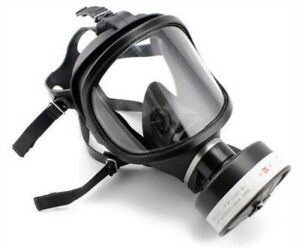
I want you to go to the full face respirators with the NATO 40mm screw on filter. There are 2 types I recommend. The first one pictured is very common, very comfortable and takes the right cartridges (as you expect the cartridges they supply with the masks are shit) the new PL3 filters for sure 100% according to experts filters all, all coronavirus particles.
There is another type that is powered respirator. It has an air pump with a rechargeable battery in it.
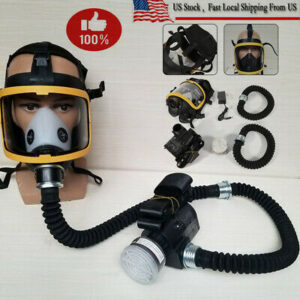
Please note the air tube where it connects to the mask should be 40mm. That way if the battery goes dead you can simply unscrew the hose and attach the canister filter direct.
https://youtu.be/27wn7PWMupc
These masks are only as good as your canister filter. I have VAST experience using this equipment and there is a relatively inexpensive cartridge that works period, full stop, end of statement.
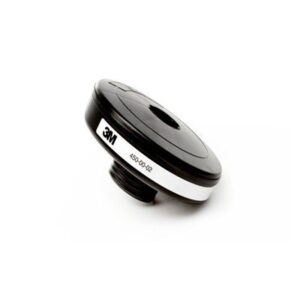
The filters are NATO 40mm size P3 UPLA (Ultra Low Penetration) air filter cartridge. This is a step above a HEPA filter. The UPLA can filter out 99.9999+% of viruses to .12 micron. Aerosol virus mystery and problem solved. Enjoy, Nick!
N95 its effective only 95% of the time! Up your game to UPLA
Our knowledge base is constantly evolving and expending. I am very concerned about the aerosol component of the coronavirus spread. This explanis the explosion in infections. Even among people who isolated. Its the visitors even though they have masks and are sanitizing. we found the answer and it ain’t pretty.
Do HEPA air purifiers filter out the COVID-19 virus?
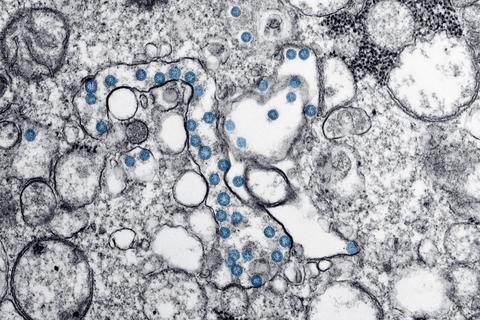
The short answer is we don’t have any direct research to verify if a HEPA air purifier reduces transmission of COVID-19 however, according to Professor Jeffrey Siegel at the University of Toronto, “we can infer from what we know for similar viruses, like SARS, there is reason to think air purifiers might help in some situations.”
How many microns in size is the COVID-19 virus?
The COVID-19 virus is approximately 0.125 Micron or 125 nanometers in diameter. (Source: National Library of Medicine)
However, it often travels in biological aerosols from coughing and sneezing which range in size from 0.5-3 Micron.
How does HEPA filtration work?
HEPA stands for High Efficiency Particulate Air and is a filtration rating that captures microbes, dust, and particulates down to 0.3 Micron.
But what does that really mean and how do they work?
The U.S. Department of Energy first termed HEPA as a filtering specification for suppliers of filtration products based on how effective they were at particle removal.
HEPA filters consist of a complicated mix of filaments and fibers that carry a static charge which lures various microbes and particles like a magnet.
While the particles travel through the air filtration system, they’re captured and retained within the filter. Additionally, an interesting scientific effect occurs known as Brownian Motion which causes particles in certain media states (such as fluid) to bounce around and become trapped.
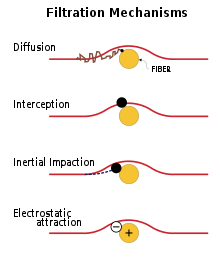
How do N95 or KN95 face masks compare to HEPA air purifiers?
You may see or hear about people wearing surgical masks or N95 or KN95 rated masks to prevent themselves and others from being exposed to Covid-19. One important thing to note is that these masks are not as effective as HEPA air purifier systems which is more efficient than KN95/N95. Nick Note: I got something even better. Its the ULPA P3 canister filter. See story Wipe your ass with your N95 mask
Continue reading “N95 its effective only 95% of the time! Up your game to UPLA”
Texas coronavirus deaths rising as hospitals reach ICU capacity
“Our hospitals look like war zones”: Texas battling influx of COVID-19 cases
California posts daily record of coronavirus deaths
California reported a record number of COVID-19 infections in a single day Monday, with 11,554 new cases, according to the Los Angeles Times’s roundup of all 58 counties in the state. The report entered on Monday surpasses the single-day record broken just last week, when the state saw 11,142 COVID-19 cases, according to The Los Angeles Times. California has also reported increased death tolls ranging between 91 and 99 fatalities each day since July 10, which ranks as the worst seven-day average since the pandemic started earlier this year. The weeklong period that ended Monday marked the highest weekly total to date, with 674 deaths in the state. The new record indicates a 5 percent increase in fatalities since the previous seven-day period, which saw 640 deaths. For the past three weeks, government-mandated shutdowns of businesses and services, including bars and restaurants, have been underway and could contribute to lowering hospitalization rates across the state.
Hospitalizations grew by 7 percent Sunday, but were lower than the previous weekend of July 12, when admissions increased by 12 percent. Gov. Gavin Newso (D) announced Monday the positivity rate from coronavirus tests had dropped from 7.7 percent to 7.2 percent compared to the previous seven-day rate. However, it is likely too early to know whether the trend will continue to fall, according to Mark Ghaly, secretary of California’s Health and Human Services Agency. “As soon as we feel confident in that trend and we see other numbers start to stabilize, we’ll credit some of the moves we made over the last few weeks,” Ghaly said. “It’s been about three, four weeks since we … first started to make moves … so we’re right in that time period where we may see some of the … benefits of those [policy changes].”
Trump could lose reelection in 100 days — and the US is on edge
https://youtu.be/WziErryUXog
Washington (AFP) – Cratering in the polls, canceling his showcase convention event, and struggling to land punches on his opponent, Donald Trump has only 100 days from Sunday to save his presidency — and it’s not going well. In the latest blow to momentum ahead of November 3, the president announced late Thursday that he was ditching the razzmatazz-filled Republican convention in Florida for next month because of coronavirus fears. An indication of how badly Trump wanted the made-for-TV affair in Jacksonville, complete with screaming crowds, warm-up acts and constant adulation, is that he’d moved it to Florida when coronavirus fears had already scotched his original plans for North Carolina. “It’s a different world,” Trump said. Coronavirus has not only upset Trump’s pageant. The disease is ravaging the US economy, adding steadily to a death toll of well over 140,000, and undermining public confidence in government. Add explosive protests against racism and police brutality, leftist-led riots, flourishing right-wing conspiracy theories, and the specter of Russian meddling — and you have a country more on edge than at any time since the cataclysmic 1960s. Now Trump, who boasts he never tires of “winning,” faces possible humiliation at the hands of Democrat Joe Biden, a man he derides as “sleepy” and mentally incompetent, yet who leads by double digits in some polls. In 2020, a year of historic uprisings against racism and sexism in the United States, the match-up between Trump, 74, and Biden, 77, might seem out of step. One is a billionaire born into extreme privilege, while the other, with three decades in the Senate and two terms as vice president under Barack Obama, is the epitome of the professional politician. Yet Trump vs Biden will deliver all the upheaval a confused and bitter US electorate can stomach. Trump’s pitch boils down to claiming Biden will have Americans “cowering to radical left-wing mobs.” Biden, no less apocalyptic, says he’s fighting for “the soul of America.” Polls give Biden an advantage nationally, strong leads in swing states, and even a shot at Republican strongholds like Texas. Congressional Democrats, who already control the House, are eying recapture of the Senate. Trump presides over mass unemployment — even if this was triggered by the coronavirus shutdown — racial unrest and a growing crisis of confidence. On the pandemic, the biggest issue of the day, polls show that two-thirds of Americans have no faith in his leadership. To boot, Trump, with overall approval ratings permanently stuck in the low 40 percent range, is the first president to seek reelection after impeachment. Yet no one counts him out. Belittled as a clown in 2016, he handily defeated all the top Republican establishment names for the nomination. He then came from behind to defeat the Democrats’ polished candidate Hillary Clinton. Trump believes he still has the secret sauce. “I’m not losing, because those are fake polls,” he insisted on Fox News last weekend. “They were fake in 2016 and now they’re even more fake.”- Two ‘invisible’ enemies – COVID-19, which Trump calls “the invisible enemy,” makes a frustrating target for a man used to dealing in large, tangible objects, like skyscrapers. But he’s having an equally hard a time getting to grips with Biden. The Democrat is running a unique campaign from his Delaware home, with no rallies, few media interviews and even rarer press conferences. This began with social distancing but has grown into what critics mock as the “bunker strategy” — and an extraordinarily lucky boost for a candidate widely seen as a gaffe machine. Rather than take risks, Biden is able to sit back, ignore the #HidenBiden hashtag jibes, and watch Trump lurch ever deeper into his own self-inflicted troubles.
Trump campaign spokesman Hogan Gidley said Friday that voter enthusiasm will make the difference at the polls.
“Our supporters will stand through rain, sleet, snow, hail, and crawl across broken glass to vote for Donald Trump,” he told Fox News’ “Fox & Friends” show. “Joe Biden’s supporters won’t even click on a link to watch him doing a Q&A.”
– ‘Death star’ –
That has long been team Trump’s theory — that their man has a unique ability to fire up the base.
But Brad Parscale, the once uber-confident campaign manager who described the campaign as the “Death Star” from the “Star Wars” movies, has been demoted. And the vaunted reelection machine now resembles a misfiring rocket.
Trump’s mass rallies, vital to his political identity, have fizzled due to health risks, while his trademark bravado and name-calling sits less easily in a country shaken by death and economic misery.
Cornered, Trump is doubling down with fearmongering. It’s a vision of chaos, violent crime and what Trump tweeted is Biden’s desire to “abolish the American Way of Life.” Come November 3, coronavirus precautions and mail-in ballot use will complicate voting, meaning late tallies. Last week, Trump repeated his claim that efforts are underway to “rig the election.” Then he went further. Asked on Fox News if he would accept the results, as every president before him has, Trump said this: “I have to see.”
Coronavirus At-A-Glance: Miami-Dade Sees Big One Day Increase Of 3,362 Cases
MIAMI (CBSMiami) – New cases of the coronavirus are surfacing every day South Florida and the rest of the state. Here are the latest numbers and information you need to know at-a-glance as of 11 a.m. on July 24, 2020.
FLORIDA: 402,312 confirmed cases
- One-Day increase: 12,444 cases
- Total Florida Deaths: 5,768
- New Deaths: 136 *(Reported in last 24 hours)
- Resident Hospitalizations: 23,225
- Total Tests: 3,281,087
- Negative Test Results: 2,874,324
- 14-Day Average Positivity Rate: 13.31%
MIAMI-DADE: 98,430 confirmed cases (largest number in the state)
- One-Day Increase: 3,362
- Total Deaths: 1,370
- New Deaths: 16 *(Reported in last 24 hours)
- Hospitalizations: 5,080
- Total Tests: 547,830
- Negative: 448,175
- 14-Day Average Positivity Rate: 19.7%
BROWARD: 45,576 confirmed cases
- One-Day Increase: 1,566
- Total Deaths: 546
- New Deaths: 10 *(Reported in last 24 hours)
- Hospitalizations: 3,024
- Total Tests: 350,194
- Negative: 303,176
- 14-Day Average Positivity Rate: 15.7%
MONROE: 1,082 confirmed cases
- One-Day Increase: 84
- Total Deaths: 6
- New Deaths: 0 *(Reported in last 24 hours)
- Hospitalizations: 66
- Total Tests: 10,701
- Negative: 9,609
- 14-Day Average Positivity Rate: 16.8%
UNITED STATES: 4,054,407 confirmed cases
- Deaths: 144,469 (all states, the District of Columbia, Guam and Puerto Rico)
AROUND THE WORLD: 15,559,865 confirmed cases
- Deaths: 634,405
- 188 countries/regions affected
Intel down over 15% after admitting production delays
Over 150 Medical Experts Urge Trump, Congress and States
More than 150 health professionals and medical experts are urging politicians to shut down the country again in an effort to slow the spread of the coronavirus. “The best thing for the nation is not to reopen as quickly as possible, it’s to save as many lives as possible,” they said in a letter sent to the Trump administration, members of Congress and state governors this week.
The letter criticized the officials for reopening too soon and not doing enough during the shutdown to prepare. It calls for increased testing capacity and additional production of personal protective equipment.
“In March, people went home and stayed there for weeks, to keep themselves and their neighbors safe. You didn’t use the time to set us up to defeat the virus. And then you started to reopen anyway, and too quickly,” the letter said. “Right now we are on a path to lose more than 200,000 American lives by November 1st. Yet, in many states people can drink in bars, get a haircut, eat inside a restaurant, get a tattoo, get a massage, and do myriad other normal, pleasant, but non-essential activities.” The letter is a stark contrast to messaging from President Donald Trump, who has been encouraging states and schools to reopen and stay open. On Thursday, he again said that schools need to bring students back for in-person learning so that parents can get back to work. “The Council of Economic Advisers estimates that 5.6 million parents will be unable to return to work if schools do not reopen this year. That’s a tremendous problem,” he said at the White House. “It’s a tremendous problem. Schools have to open safely, but they have to open.” The Centers for Disease Prevention and Control released new school guidelines Thursday night after promising the documents for more than a week. The guidance places a heavy emphasis on children returning to school, but it does recommend that local officials consider closing schools if there is substantial, uncontrolled spread of the virus in the area. While some of the nation’s largest school districts have moved to start the school year online, the American Academy of Pediatrics recommends that students be “physically present in school” as much as safely possible. The president has consistently downplayed the resurgence of the virus in the U.S. in recent weeks. He only on Tuesday acknowledged that the situation will “get worse before it gets better.” Officials on Thursday reported the country has surpassed 4 million cases of the virus. Nick Note: You need to understand this one thig. One way or another they will go into lockdown again. And it will drive the US economy into its biggest depression ever.