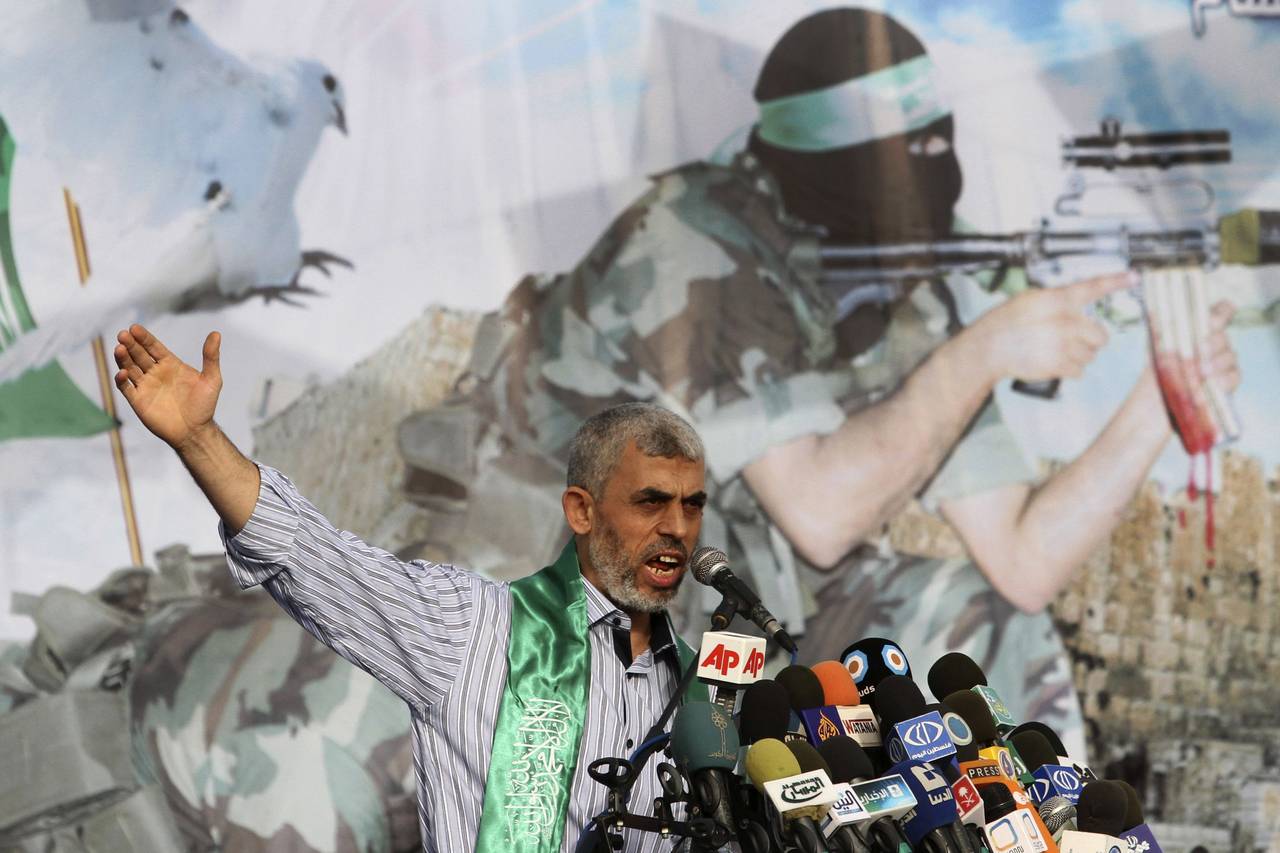
Any deal would have to be accepted by Netanyahu and Yahya Sinwar, who helped mastermind the Oct. 7 attack and became Hamas’ overall leader after Haniyeh was killed. Netanyahu faces intense pressure from families of the hostages and much of the Israeli public to make a deal to bring them home. But far-right leaders in his coalition have threatened to bring down the government if he concedes too much, forcing early elections that could drive him from power. Sinwar, meanwhile, is hiding in Gaza, likely deep inside Hamas’ vast network of tunnels, and has stuck to a hard line throughout the talks. He also tops Israel’s most-wanted list, raising questions about what happens if he is killed. In the past it has taken several days for Hamas’ negotiators to send proposals to Sinwar and receive his feedback. That means that even when the work of hammering out the latest proposal is completed, it would likely take a week or more for Hamas to formally respond to it. Palestinians in Gaza say they are exhausted and desperate for a cease-fire. When Hamas accepted an earlier proposal in May, spontaneous celebrations erupted — but those hopes were soon dashed .
Aid groups have called for a cease-fire since the start of the war, saying it’s the only way to ensure desperately needed food and humanitarian aid reaches Gaza. Experts have warned of famine and the outbreak of diseases like polio if the war drags on. Even if the fighting ends tomorrow, the U.N. has said it would take more than a decade and tens of billions of dollar to rebuild Gaza. In Israel, where many are still deeply traumatized by the Oct. 7 attack, there is widespread support for the war and little sympathy for the Palestinians. But the plight of the hostages has galvanized mass protests calling for a deal to bring them home and for the end of Netanyahu’s government, which many blame for the security and intelligence failures that allowed the attack to happen.
NN Audio file
Sinwar Needs To Surrender