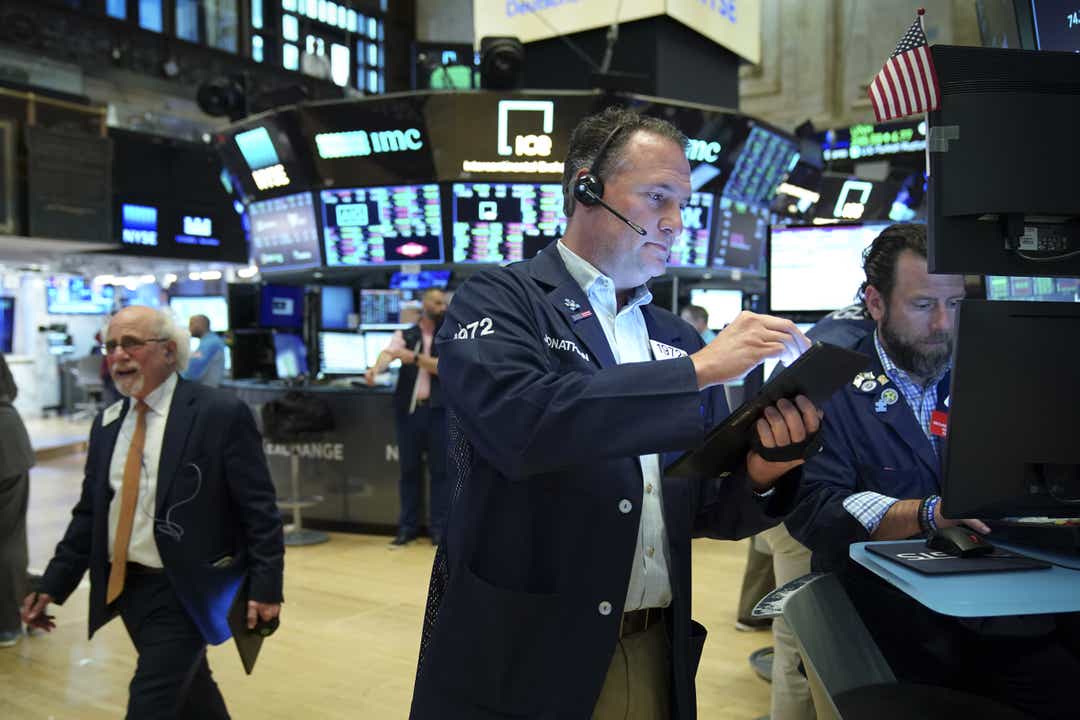
U.S. stocks bounced back Tuesday, a day after crude suffered a historic rout while the broader stock market recorded its worst day since the financial crisis. The Dow Jones industrial average jumped 1,167 points, or 4.9%, to close at 25,018.16, in a wild trading session that saw the blue-chip average swing 1,330 points from its high to its low. Tuesday’s moves came after the Dow plunged more than 2,000 points on Monday. A free fall in oil prices and mounting coronavirus cases rattled jittery investors a day earlier and pushed major indexes to the edge of a bear market, or a drop of 20% from a recent peak. The Standard & Poor’s 500 climbed 4.9% Tuesday to end at 2,882.23, after the broad index posted its worst one-day percentage drop since October 2008 on Monday. The index is off about 15% from its Feb. 19 record. The technology-heavy Nasdaq Composite climbed 4.9% to finish at 8,344.25. Dizzying swings have been relentless in markets the last few weeks. Stocks had a couple days last week where they rose more than 4%, only for the bottom to give out again. “We’re in a volatile period, and investors seeking long-term growth will benefit from staying calm and waiting for the current downturn to pass,” Michael Hanson, senior vice president of research at Fisher Investments, said in a note. Since U.S. stocks set their record high just a few weeks ago, traders have crossed over from dismissing the economic pain created by COVID-19 — thinking it’s similar to the flu and could stay mostly contained in China — to being in thrall to it — worrying that it may cause a worldwide recession. Stocks received a boost Tuesday after President Donald Trump said late Monday he will seek financial relief for workers and businesses affected by the coronavirus outbreak, as new cases were reported across the country. The number of confirmed worldwide cases was approaching 115,000 early Tuesday. The death toll from the virus has now topped 4,000 — including 26 in the U.S. Trump’s comment that he will seek relief for workers gave some investors an excuse to resume buying. “This is not like the financial crisis where we don’t know the end is in sight,” said Treasury Secretary Steven Mnuchin. “This is about providing proper tools and liquidity to get through the next few months.”