- OPEC+ ministers are gathering to discuss oil production policy
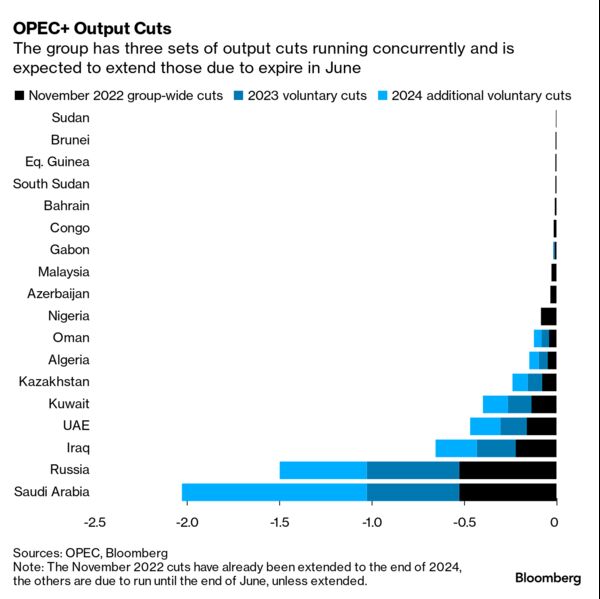
- They already have the outline of a deal to extend “voluntary” supply cuts into the second half, delegates said
- Talks continue on extending separate, group-wide curbs into 2025
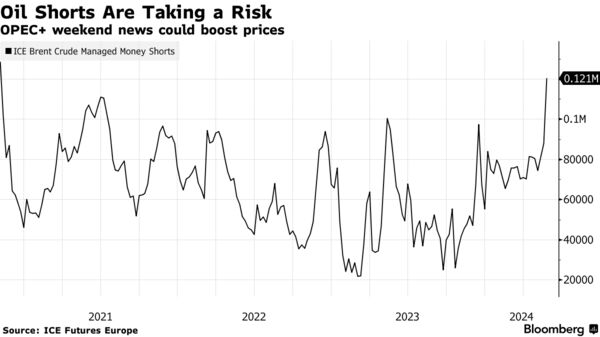
One factor that could provoke OPEC+ to unveil a surprise today is the recent buildup in short positions in crude futures markets. Earlier this month, speculative Brent shorts held by hedge funds and other managers reached the highest level since the depths of the pandemic in late 2020.
It’s the kind of level that’s triggered a reaction in the past from the Saudis: Energy Minister Prince Abdulaziz bin Salman once threatened to leave bearish traders “ouching like hell.”
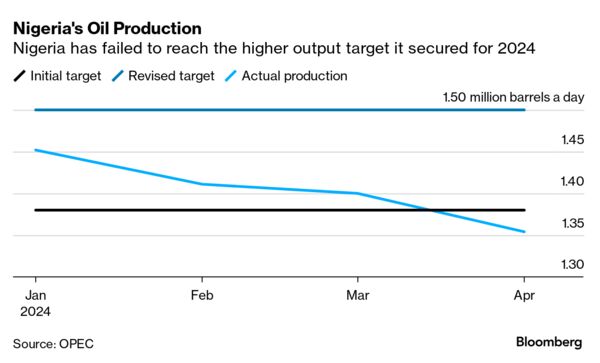
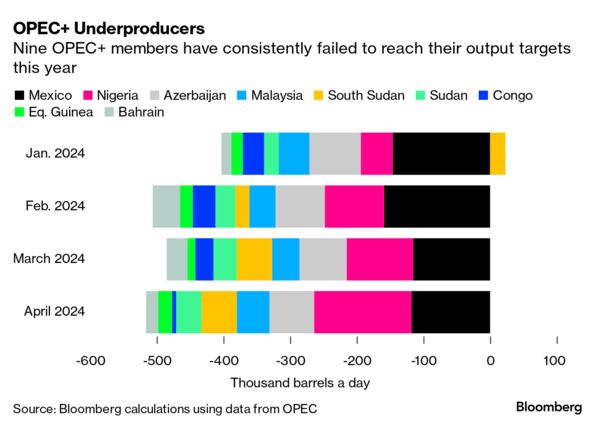
Nigeria successfully negotiated an increase in its output target to 1.5 million barrels a day for this year. That’s up from the 1.38 million originally allocated to the country based on an initial assessment of its production capacity. It looks like those third-party assessments might have been right after all, with the nation falling further behind its new target each month.
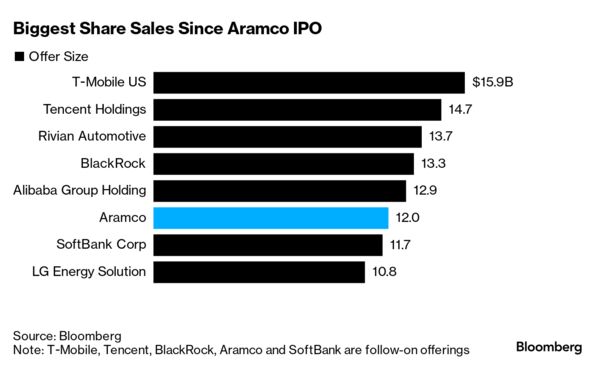
There’ll be a lot of attention on overseas participation after global funds largely balked at the valuation expectation during the company’s mega IPO in 2019. That left the Saudi government mostly reliant on local money.
Here’s a look at how the output cuts have been shared among OPEC+ members: