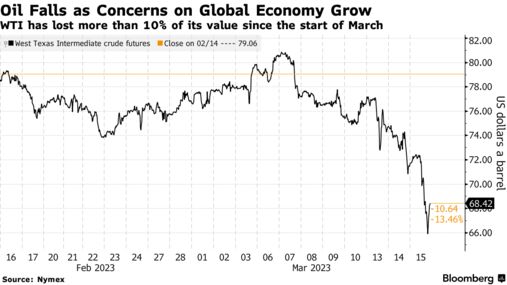
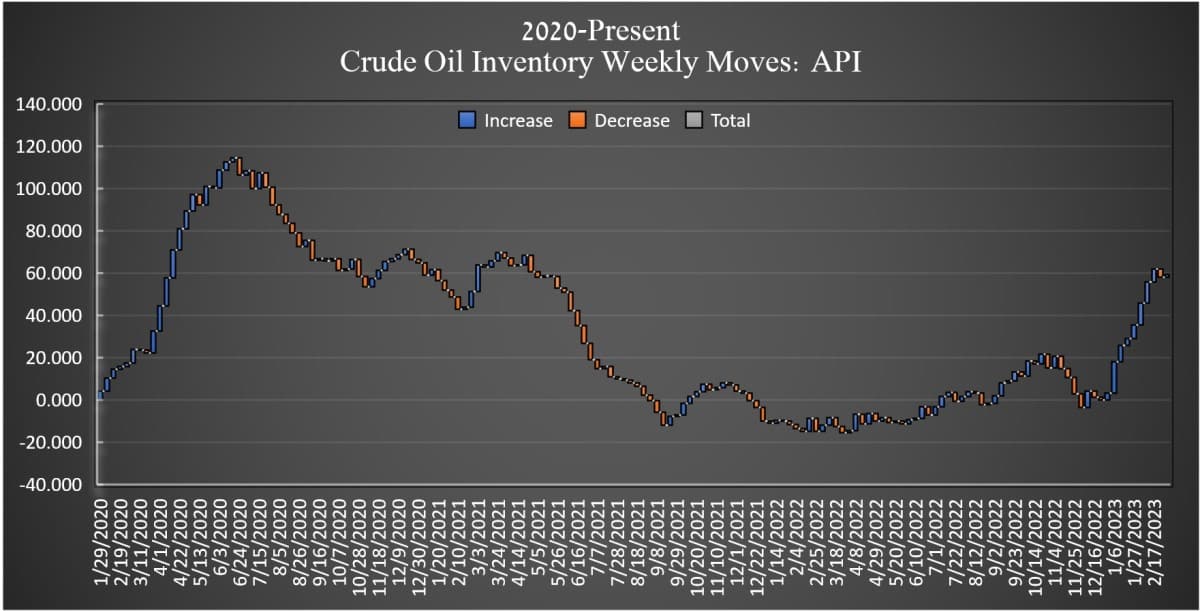
According to Moya, a retest of October’s lows is likely to add increased downward pressure on WTI crude, meaning energy stocks could struggle given the surplus and weakening demand outlook likely to persist in the short-term. The energy sector has been badly hammered amid the banking saga, with energy stocks suffering the largest decline among the S&P’s 11 industry sectors on Wednesday.
The bigger question here is whether the recent spate of bank failures and crises, including the sudden collapse of Silicon Valley Bank and liquidity crisis at banking giant Credit Suisse, can be written off as “idiosyncratic” events or mark the unfolding of another global financial crisis. The good news: at this juncture, the banking outlook is actually good.
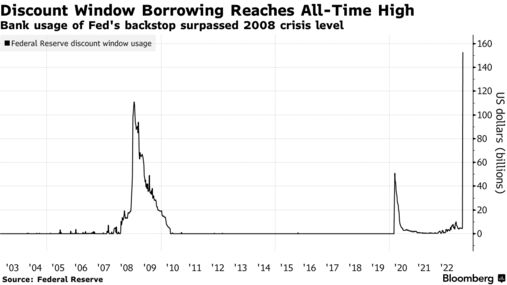
The sudden collapse of Silicon Valley Bank (NB: what you need to understand their were no bad loans. The village people did not know how to manage interest rate risks….. Namely how to hedge their government bond portfolio bought at the lowest yields ever…. incompetence under the rainbow flag).has sent shockwaves through the entire financial sector and marked the biggest bank failure since the 2008 financial crisis. Being the only publicly traded bank focused on Silicon Valley and startups for four decades, the swift collapse has particularly rattled the venture capital community and left climate tech startups in a crisis. SVB’s website says it has committed $3.2 billion to innovation projects in clean energy, was leading or participating in 62% of financing in U.S. developments and had more than 1,550 customers in the broader climate technology and sustainability sector. BloombergNEF has estimated that between 2020 and 2022, SVB financed ~$357 million of residential solar, excluding community solar, by no means an insignificant amount. SVB’s demise is, therefore, going to be keenly felt by the clean energy sector. But the good news is that whereas the U.S. government has ruled out a bailout for SVB, its Swiss peer has been more lucky after the troubled lender was offered a lifeline after the Swiss National Bank agreed to loan the struggling lender up to 50B francs ($54B). The bank also announced public tender offers by Credit Suisse International to repurchase certain OpCo senior debt securities for cash of up to ~3B francs. Previously, the Saudi National Bank, which owns almost 10% of Credit Suisse, declared that it would not provide further support to the group, days after the bank disclosed ‘material weakness’ in its financial statements just weeks after reporting a net loss of £6.6 billion for FY 2022. Credit Suisse shares tanked more than 30% to 1.55 francs ($1.68B) on Wednesday after its top shareholder ruled out offering further financial assistance amid growing concerns over its liquidity. The bank desperately tried to calm panicking depositors and shareholders but its five-year credit default swaps, which gauge the cost of insuring against its bonds, still soared to a record high. Luckily, the latest deal has helped the shares pare back losses and climb by a similar margin on Thursday’s session. As a Global Systemically Important Bank, the plight of Credit Suisse has been a much bigger concern for the global markets due to the sheer scale of its balance sheet and the much bigger potential for contagion from the bank’s global reach. But the fact that shares of Credit Suisse and those of European banks have recovered swiftly suggests that the markets do not view the banking crisis as being systemic or likely to unravel on a wider scale. Indeed, the U.S. financial sector’s popular benchmark, the Financial Select Sector SPDR Fund (XLF), has declined less than 1% over the past five trading sessions, suggesting that there’s no real crisis of confidence and the markets are not too worried about the potential of another financial crisis on the scale of the 2008 crash. As UBS Wealth chief investment officer Mark Haefele has said, the swift action by the FDIC to guarantee deposits and by the Fed to lend to banks that require funds will solve liquidity-related risks for U.S. banks and also for the U.S. branches of foreign banks.Early Wednesday was another rout for mid-cap regional banks stocks, but then reports emerged that big banks would come to their aid. At around 12:00 p.m. EST on Wednesday, regional bank stocks started to rally, recouping a fair amount of losses from earlier in the day. The SPDR® S&P Regional Banking ETF (NYSE:KRE) turned positive, climbing 0.2%. That suggests that energy markets could quickly recover after the dust settles. BlackMask Blog:
Take a deep breath and chill