President Donald Trump has rejected Iran’s latest proposal for a seven-day ceasefire and a reopening of the Strait of Hormuz. Trump turned down Iran’s proposal to partially open the Strait of Hormuz and restart nuclear discussions if Washington ended the blockade. US Officials stated that Trump did not accept the terms because he is doubtful that Tehran will fulfill them, as the blockade has severely hurt the country’s economy. Trump is also expected to resume military airstrikes after the November midterms. The final decisions will depend on political developments and available defense supplies. Meanwhile, Trump published an image on Truth Social depicting the Strait of Hormuz labeled as “Trump Strait. Iran, however, says diplomacy is still alive. Foreign Minister Abbas Araghchi said Tehran transmitted a concrete seven-day plan to Washington through Qatar. Under the proposal, once the necessary conditions were accepted, the timetable would begin and the Strait could reopen within seven days. That distinction is important: Trump has rejected this proposal, but negotiations themselves may not necessarily be over.
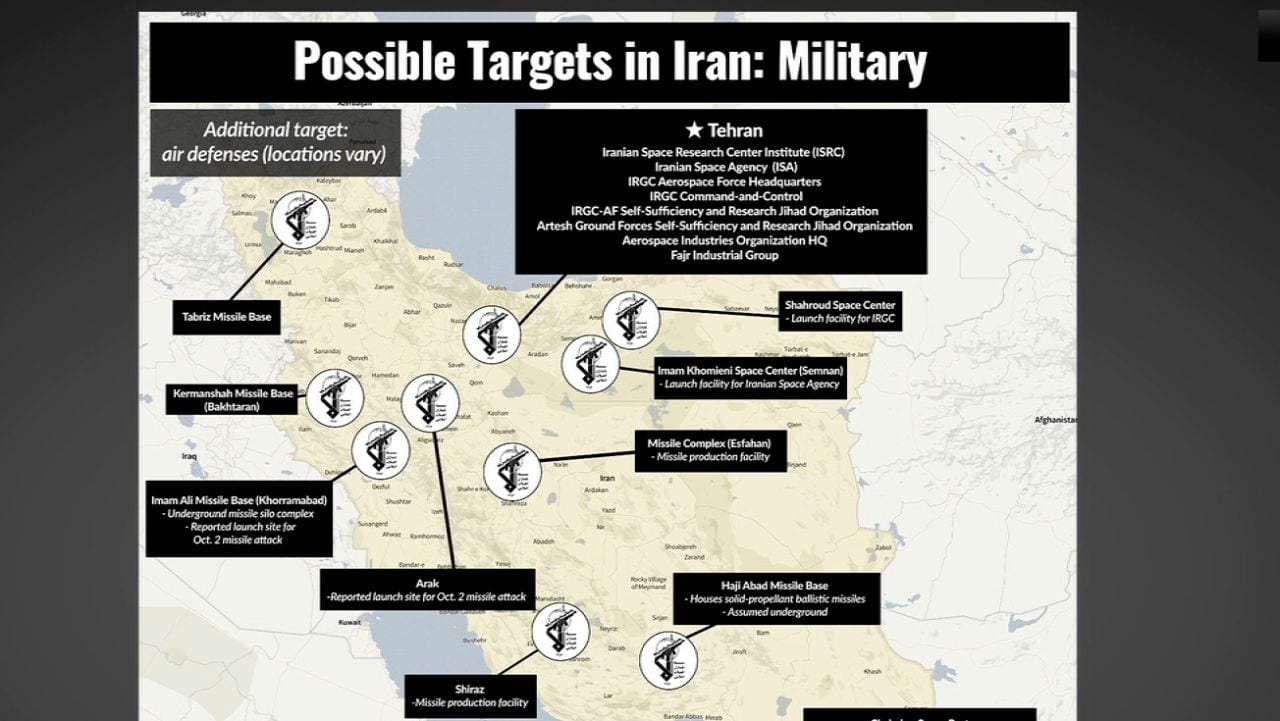
My perspective is based on the fact Trump has spent decades negotiating by rejecting an opening proposal, increasing pressure and then returning to the negotiating table when he believes better terms are available. The United States has already expended enormous military resources in the conflict. Questions have been raised publicly about U.S. weapons inventories, although Trump has disputed reports that American stockpiles are running dangerously low. Sources indicate that a no limits attack on a expanded target list will bring down the regime. It is viewed that Iran’s ability to retaliate is extremely limited.
The November midterm elections add another consideration. Trump has publicly discussed the possibility of an attack after the elections, while a desperate Iran is signaling that it wants an agreement sooner. That leaves room for another round of bargaining.
My market view view is that an agreement could emerge within the next week or two, potentially beginning with a staged or partial reopening of the Strait of Hormuz. The next proposal—not the rejected one—may therefore be the proposal that matters. Iran has demonstrated that reopening Hormuz is negotiable. Washington has demonstrated that the present Iranian offer is not sufficient. The question now is whether Iran changes the terms enough to bring Washington back to the table. In negotiations, “no” today does not necessarily mean “no” next week. Oil prices will drop if a deal is made to the lower nineties. Giving us a opportunity to layer in more positions at bargain prices to enhance our pyramid trade.
TO be clear the deal may last a month or two with lots of speed bumps. Here is the important part after the midterm election all out war will break out with coordinated attacks by both Israel, gulf states and the United States. This is not only the pause that refreshes. But the pause that allows the US to rearm Israel and the Sunni oil states desperate to neuter Iran.