NEW YORK (Reuters) – Oil prices rose more than 2% on Thursday to the highest in nearly two months following a Reuters report that OPEC and its allies are likely to extend output cuts until mid-2020 and fresh signs that China had invited U.S. trade negotiators for a new round of talks. To support oil prices, the Organization of the Petroleum Exporting Countries and its allies are likely to extend output cuts to June when they meet next month, according to OPEC sources. OPEC meets on Dec. 5 at its headquarters in Vienna, followed by talks with a group of other oil producers, lead by Russia, known as OPEC+. The current supply cuts deal runs through to March 2020.
The sources told Reuters that formally announcing deeper cuts looked unlikely for now although a message about better compliance with existing curbs could be sent to the market.
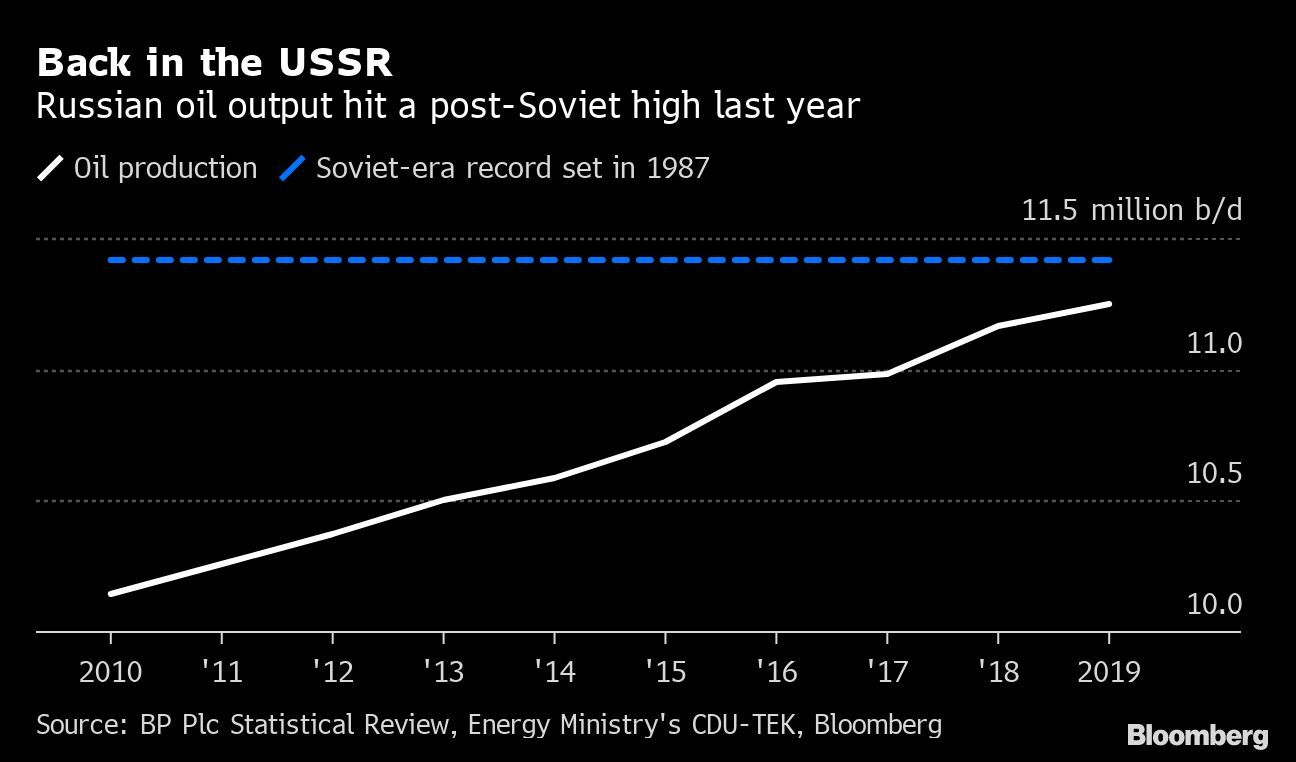
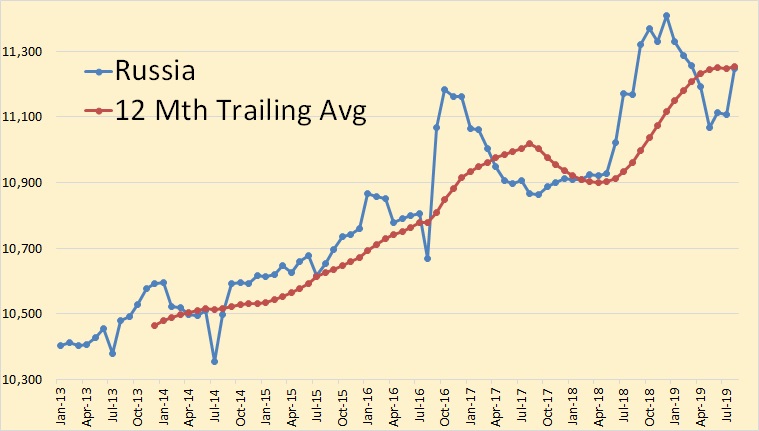
Russian President Vladimir Putin said on Wednesday Russia and OPEC had “a common goal” of keeping the oil market balanced and predictable, and Moscow would continue cooperation under a global deal cutting oil supply. “I think the market is pretty much resigned to the fact that economic growth is slowing as is the rate of increases in oil demand where forecasts having been revised lower continually… a lot of that bearishness has been priced in, so that the upcoming OPEC meeting and unrest in Iran and Iraq is becoming the focus,” said Andrew Lipow, president of Lipow Oil Associates in Houston. Amid the long-drawn trade war between the United States and China, U.S. President Donald Trump is expected to sign two bills passed by Congress intended to support protesters in Hong Kong, a move likely to anger China. Hong Kong has seen increasingly violent protests against Chinese rule for several months and the passage of the bills could potentially undermine efforts to secure a trade deal. “Positive speak from China is not offsetting expectations that President Trump will sign a bill supporting Hong Kong protesters,” said Edward Moya, senior market analyst at OANDA in New York. “The timing of phase one deal is unclear, but markets are starting to get nervous we could see a repeat of the collapse in talks that took place in May.”